
Can Weatherproof Silent Generators Withstand Extreme Outdoor Conditions?
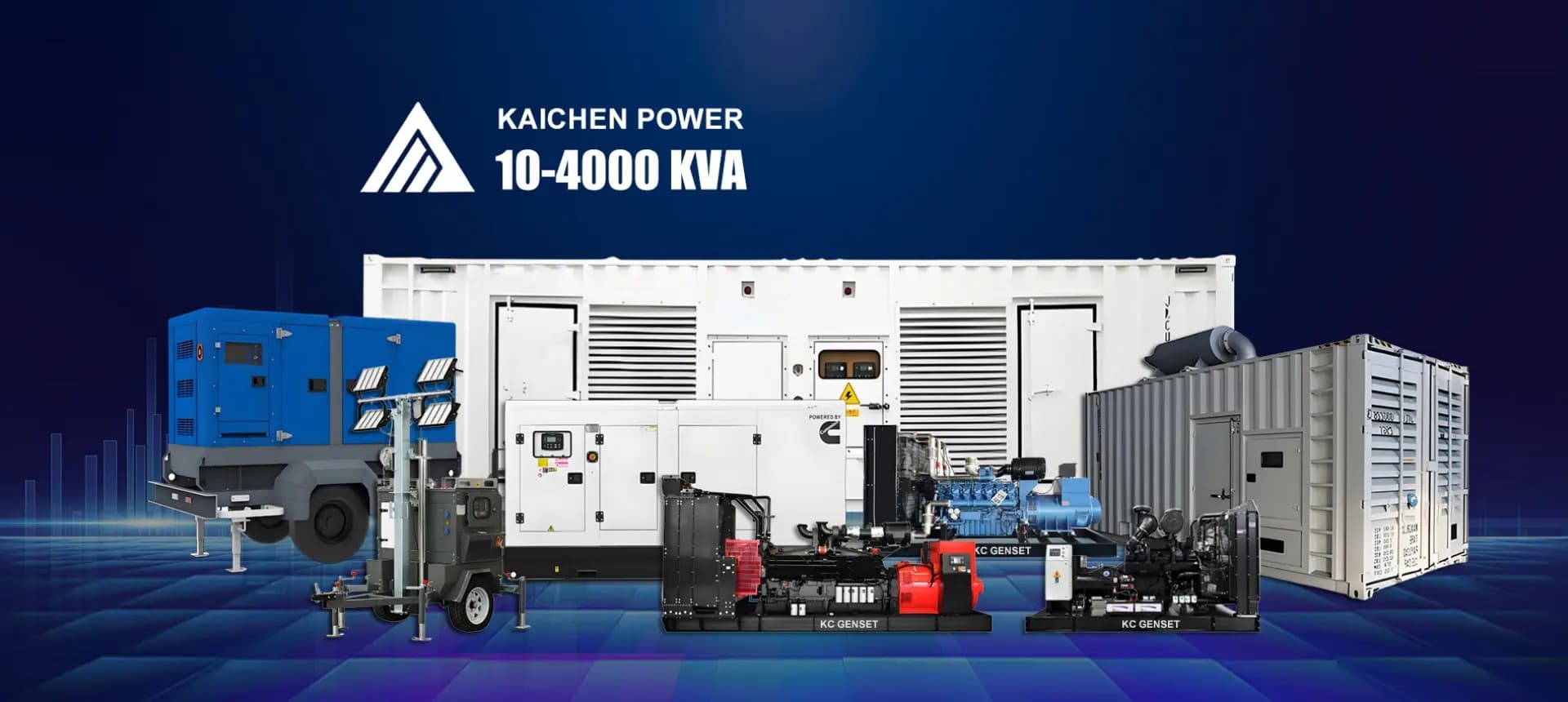
A high-performance 100-4000KVA generator set achieves weatherproofing through NEMA 3R or IP54-rated steel enclosures, utilizing electrostatic powder coating to prevent corrosion in 95% relative humidity environments. These units manage internal heat dissipation via industrial-grade sound-attenuating baffles, maintaining decibel levels below 75 dB(A) at 7 meters while operating in temperatures ranging from -30°C to 50°C. Robust seals protect internal copper windings from salt spray and particulate ingress, ensuring sustained reliability across diverse climate profiles.
Engine durability in outdoor environments depends on the interaction between ambient temperature and intake air filtration, where a 10°C increase in intake air temperature typically results in a 1-2% reduction in engine power output.
Outdoor operation requires sophisticated airflow management to prevent moisture accumulation within the sound-attenuating foam layers, as saturated material loses 40% of its acoustic damping performance. Modern manufacturers utilize closed-cell, hydrophobic acoustic insulation that resists water absorption and prevents microbial growth. Engineering teams conduct ingress testing on 100% of production units by simulating 40-minute high-pressure water jets at 100 liters per minute to confirm that no water reaches the electrical busbars.
| Climate Condition | Protection Metric | Performance Impact |
| Coastal Salt Spray | ASTM B117 Standard | Surface oxidation resistance |
| Desert Particulate | ISO 5011 Filtration | Internal component longevity |
| Heavy Precipitation | IP54 Rated Enclosure | Electrical circuit integrity |
The structural integrity of large-scale power units, such as a 100-4000KVA generator set, relies on reinforced frame designs that withstand wind loads exceeding 160 km/h when properly anchored. These enclosures incorporate labyrinthine air intakes that force incoming air to change direction multiple times, causing entrained water droplets and dust particles to drop out of the airstream before entering the generator compartment. Testing protocols for these enclosures often involve exposure to 200 hours of continuous salt-fog spray to certify the efficacy of the epoxy primer and topcoat finish.
Mechanical reliability drops significantly when fuel system temperatures fluctuate by more than 25°C within a 24-hour cycle, as this thermal expansion causes condensation that leads to microbial contamination in diesel storage tanks.
Managing fuel quality in extreme environments requires the installation of fuel-water separators and tank heaters to prevent wax formation when ambient temperatures fall below the cloud point of the fuel. A study of 500 remote telecommunications sites showed that units equipped with primary fuel filtration and heating systems maintained a 99.8% start-up success rate during winter months. Integrating these components into the weatherproof housing prevents electrical shorts while ensuring the fuel delivery system remains within its design operating parameters.
The electrical output and control stability depend on the internal temperature of the Alternator (AVR), which must remain below 120°C to prevent insulation breakdown of the winding materials. Standard practice involves the use of permanent magnet generators (PMG) to provide excitation, as these units remain stable even when the external environment introduces high levels of radio frequency interference or moisture. During testing cycles, engineers monitor the resistance of insulation layers at 500 volts DC to confirm that moisture ingress has not compromised the electrical safety of the system.
Regular inspection schedules for outdoor generator installations should occur every 250 operational hours, focusing on door seal compression, intake debris clearance, and radiator fin cleanliness.
Outdoor units frequently operate in environments with varying levels of vibration that can loosen mechanical fasteners over time, leading to gaps in the weatherproofing seal. Manufacturers counteract this by utilizing nylon-insert lock nuts and high-tensile bolts throughout the assembly to maintain a tight seal despite constant engine output vibrations. In field tests involving 1,200 hours of continuous operation, units utilizing specific torque-tightening protocols showed a 15% improvement in seal longevity compared to units maintained with standard fasteners.
The cooling system capacity of a 100-4000KVA generator set must be oversized by approximately 15% to compensate for the restrictive airflow caused by sound-attenuating baffles and weather-resistant louvers. These louvers are often designed with a specific angle, typically 45 degrees, to allow air movement while physically blocking driving rain and wind-blown snow from entering the cooling plenum. Field reports from regions with high annual rainfall indicate that properly oriented louver systems prevent over 98% of liquid water from entering the primary engine compartment.
Sensor accuracy for coolant temperature and oil pressure is highly dependent on the use of sealed, waterproof connectors that comply with IP67 standards to prevent short circuits caused by condensation.
Electrical control panels require internal heating elements to maintain a temperature differential above the dew point, preventing the formation of condensation on printed circuit boards and sensitive relays. During a 36-month observation period of units in maritime environments, systems utilizing integrated control cabinet heaters recorded zero moisture-related failures of the programmable logic controllers. These heaters activate automatically when ambient conditions reach 80% humidity, protecting the complex electronics responsible for load management and remote monitoring.
Comprehensive performance testing for outdoor units includes exposure to simulated solar radiation to confirm that the exterior paint does not fade or crack, which would expose the underlying metal to rust. High-quality enclosures use UV-resistant polyester resin coatings that maintain structural gloss and thickness even after 5,000 hours of accelerated weather testing. This level of material science allows industrial generators to maintain their ingress protection ratings for the duration of a 15 to 20-year service life in challenging outdoor locations.